At the end of February, we had the immense pleasure of gathering with our COALIGN colleagues in Antwerp for the very first time. COALIGN is a collaborative research project that connects teams from London, Turin, Ghent, Cluj and Barcelona with a shared goal:
to better understand how civil society organisations shape the transformation toward 15‑minute cities.
A fast-paced first day
Our opening day was a true marathon… in the best way possible. We started early, with Tim Davos introducing the project to all attendees. After so many online meetings, it felt energising to finally share the same room and exchange ideas face to face.
Soon after, civil society partners took the stage to share how they are helping set the pace of accessibility and urban transformation in their cities. We heard inspiring examples from Laboratorio Qualità Urbana e Partecipazione (Italy), Sustenabil (Romania), Possible (UK), and BACC (Spain). Their stories sparked a rich group reflection on our shared expectations and motivations, the strengths we bring, the challenges we face and the meaningful impact we want COALIGN to achieve.
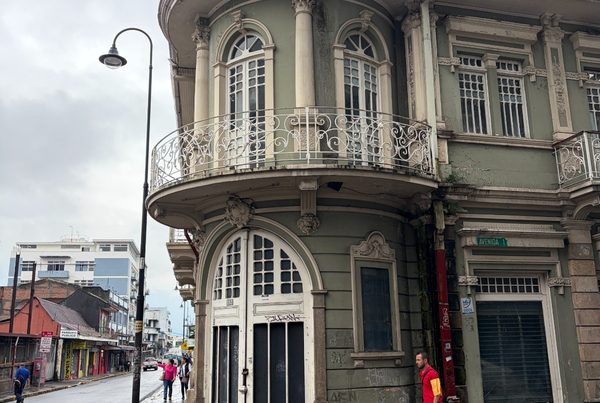
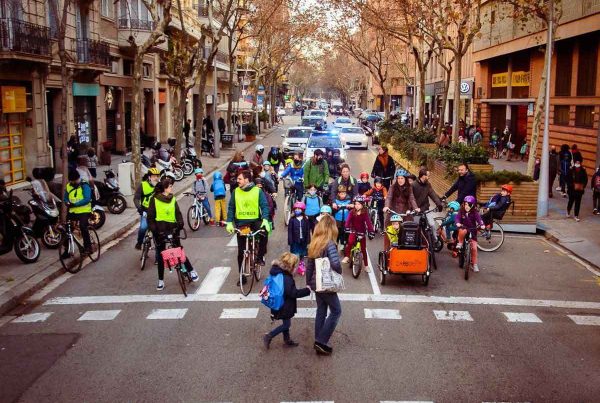
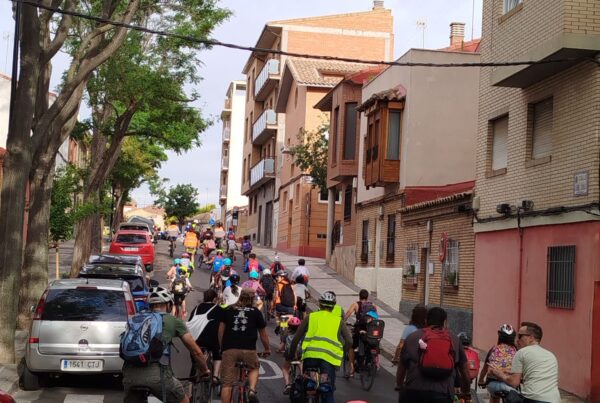
In the afternoon, we hopped on bikes for a four-hour tour across Antwerp. As we stopped in different neighbourhoods, we learned about the city’s civil society ecosystem and the ways community groups have negotiated with local authorities to create pedestrian streets, youth and children’s community centres, green pockets and more.
This hands-on exploration captured exactly what COALIGN is about: understanding how citizen-led initiatives make cities fairer, more sustainable and more accessible.
Closing the day on a high note
And were we tired? Not at all! We still had plenty of energy for the public talk Changing Streets from Below: How Citizen Movements Drive Mobility Transitions. Hosted at Stadsform, the session brought together the voices of:
- Enrica Papa (University of Westminster)
- Jordi Honey-Rosés (Universitat Autònoma de Barcelona)
- Annekatrien Verdickt (Filter Café Filtré)
- Vincent Gysels (District alderman, Antwerp)
- Thomas Vanoutrive (University of Antwerp)
- Annemiek Prins (University of Amsterdam)
The discussion was moderated by Freke Caset (Ghent University), rounding off the day with thoughtful and lively debate on how citizen movements are reshaping streets and mobility from the ground up. Researchers, policymakers and community advocates shared how groups across Europe organise themselves, what tools they use to push for safer, healthier, more playful cities and how these efforts can grow into lasting change.
The evening featured reflections on community-led 15‑minute city practices, pedestrianisation strategies and the movements striving for cleaner air and safer streets. A final panel brought political, academic and grassroots perspectives into conversation, leaving us with renewed energy and a clearer sense of the opportunities (and challenges) ahead.
Day two: mapping, planning, imagining
The next morning, we jumped right back in. Together, we refined our plans for mapping civil society organisations across Europe and exchanged ideas for the experimental phase of the project. It was an inspiring and highly productive session, full of creativity, curiosity and shared purpose.
We are deeply grateful to our colleagues at the University of Ghent and Stadsform for hosting and organising such meaningful sessions. Returning home, we feel both enthusiastic and humbled to be part of this consortium of researchers and citizen-led organisations.
COALIGN is officially underway and we couldn’t be more excited to contribute to a project rooted in collaboration, community and the belief that cities can be transformed from the ground up.