Second International Meeting of Bike Buses in Frankfurt
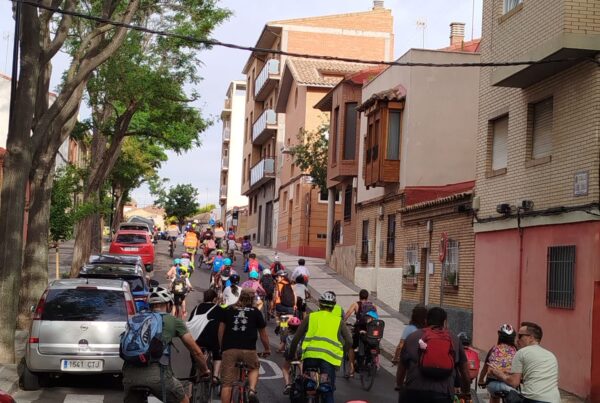
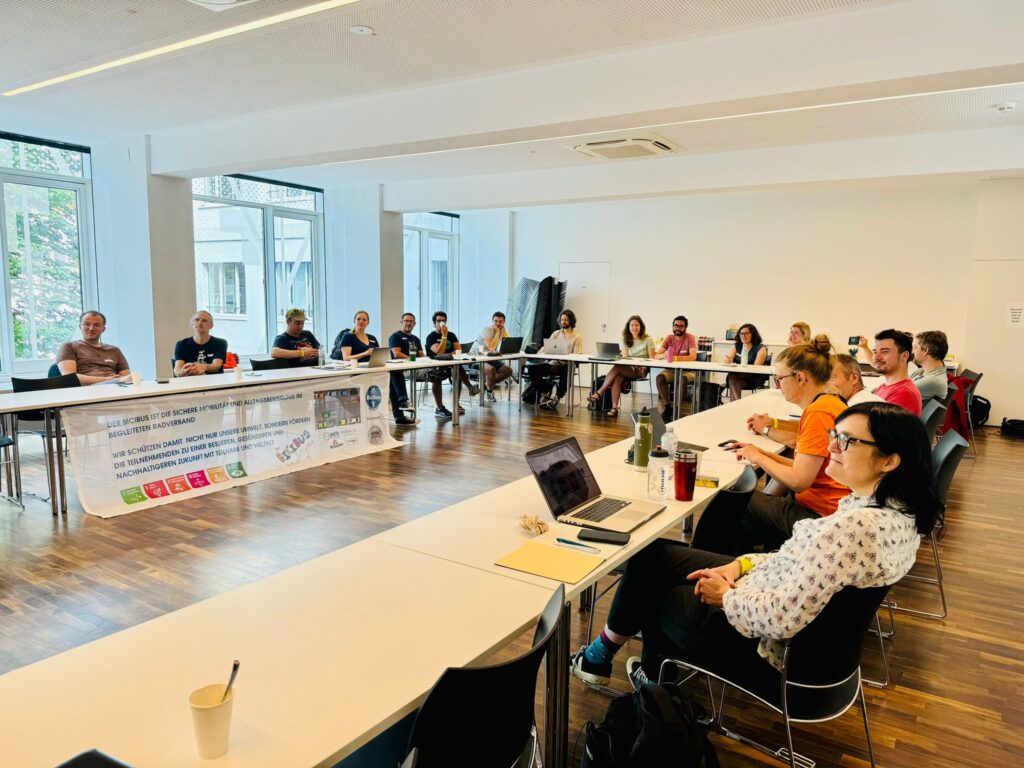
The second Bike Bus Summit united various initiatives from seven countries, mainly featuring new participants from the first edition. As the host, Germany showcased the widespread adoption of bike buses nationwide, with nine cities presenting their bike buses at the event. The sessions highlighted once again that while each initiative has its way of functioning and faces local challenges, ultimately, all Bike Buses are about community-building and fun.
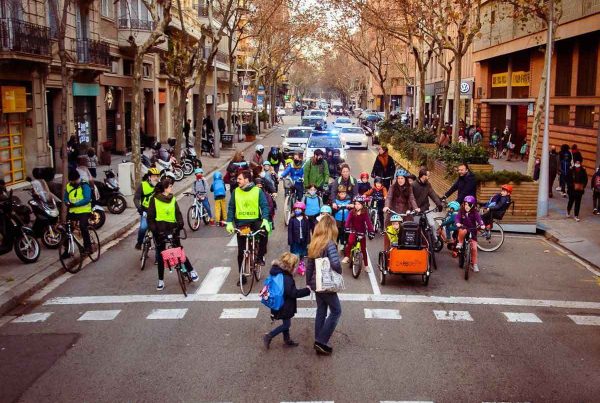
The event demonstrated that Bike Buses are here to stay. Last year marked the first edition of this international meeting, sparked by the viral video of Bicibús Eixample in Barcelona, which inspired other significant Bike Buses in cities like Glasgow, Portland, Worcester, and Frankfurt. The press and social media love Bike Buses; their posts often reach millions of views, and national and local TV reports are common. While some might have thought this was just a temporary trend, the initial Bike Buses remain strong, and new Bike Buses are emerging all over.
Funded Bike Buses
This edition of the Summit featured several initiatives financed by local administrations. Some projects, like the Bike Bus Service Office in Graz, Austria, are recent, while others, like Comboios de Bicicleta, have been operating for five years in Lisbon, Portugal. Municipal support ensures the project’s long-term sustainability and recognizes the effort involved in starting and maintaining a Bike Bus initiative.
Support usually includes a coordination team that assists new Bike Bus initiatives until they can manage themselves. This support covers counseling on route planning, security issues, group cycling through traffic lights, liability, and police support. Some projects also pay chaperones to accompany the Bike Bus group weekly, ensuring enough adults for a safe ride. This mixed top-down and bottom-up model provides secure support for new initiatives while allowing them to manage their own rides.
A different model exists in Lisbon, where the municipality manages all the Bike Buses. The organization is handled by an external entity, Bicicultura, which oversees the entire project and initiates new routes. They engage schools and interested families, then provide a paid route coordinator and trained chaperones to ensure safety and participation in weekly rides. This predominantly top-down model allows children to attend alone, something other models do not.
These experiences aim to ensure the long-term sustainability of Bike Bus initiatives. However, they are just different models and do not have to be the future for all Bike Buses. Some organizers prefer their status as grassroots movements, valuing their independence from City Councils, the ability to fully decide their routes, and continuing their active advocacy for child-friendly cities.
Multiple ideas and debates
The target of the Bike Bus
Who should we appeal to join the Bike Bus: parents or children? There were differing opinions on this matter. Some believe bike bus organizers should target caregivers, as they decide whether their children will participate. For example, some found that participation increased when details were given to parents rather than children.
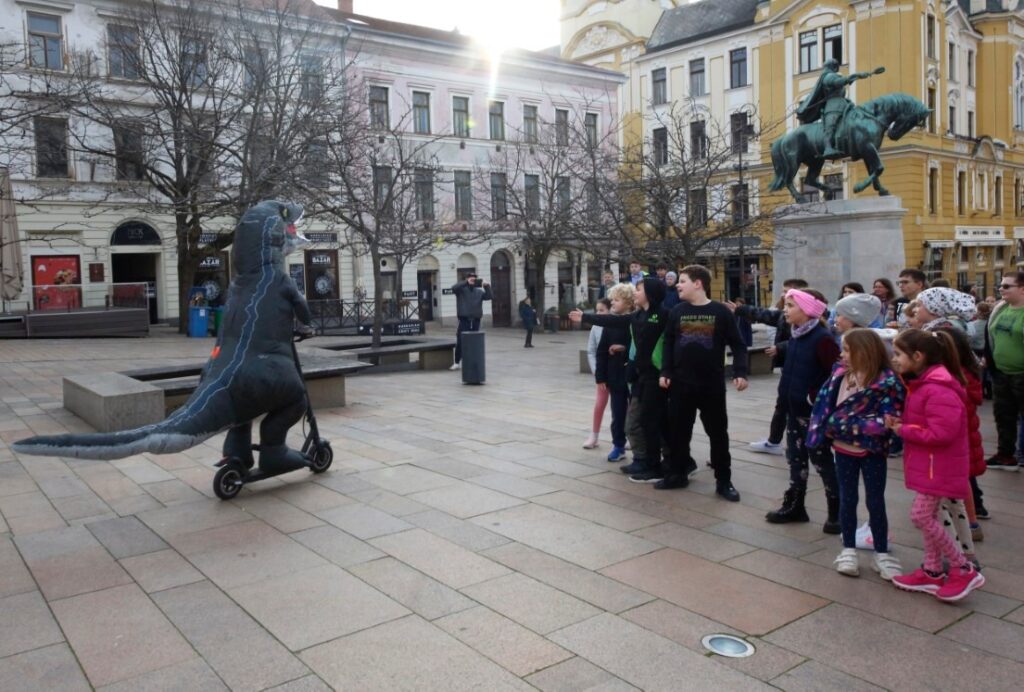
Others argue that engaging children is crucial. Excited children attract more participants. To engage them, organizers prepared fun activities like music, bubble machines, personalized vests, collecting cycling kilometers for rewards, and even dressing up as a velo-ciraptor. One thing was consensual, caregivers and children are attracted for different reasons: children find it fun, while caregivers prioritize safety.
Police
Another widely discussed topic was the pros and cons of police support. Police presence can make caregivers feel safe and confident about bringing their children to the bike bus. Police are also helpful when conflicts with cars arise. And also, police attending bike buses convey that children and their safety are important matters worth spending public resources on.
However, others argue that the police are not always helpful, especially when they attend on motorbikes and multiple cars, which are not agile in navigating a group of cyclists and tend to speed up the group. Finally, some argue that police presence in the Bike Buses communicates danger and exceptionality when the initiative aims to normalize children’s cycling.
Ultimately, it is up to the organizers to decide whether or not to have police according to their aims and worries. A general agreement was that, if present, they should reduce their number to the minimum, ideally to a police car in the back, and use bikes to join in the front.
Riding as a group
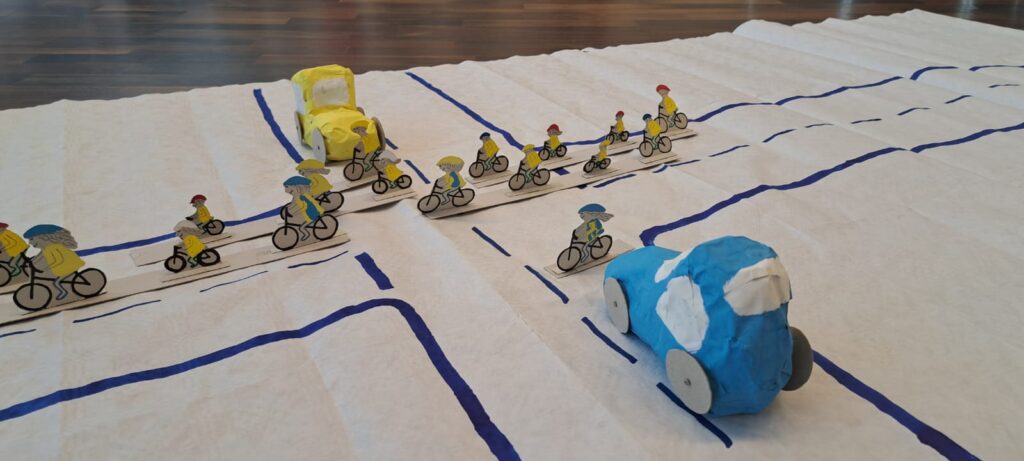
Legislation sometimes hinders the Bike Bus. A critical safety measure is acting as one vehicle to cross intersections. Forming a critical mass of bikes ensures safety; so crossing traffic lights together, even if the light turns red mid-group, is essential. However, this is not allowed in all countries, with some requiring a minimum group of 10 or 16 (depending on the country) to continue crossing on a red light.
To avoid these situations, the Bike Bus leader can decide to stop at a green light that is about to turn red and wait for the next green light, ensuring the group only starts crossing when they can do so together.
Tools and other events
We attended the presentation of two projects that can complement Bike Buses: a bike bus app and a modular pump track. These tools can help to organize a bike bus and improve children’s cycling skills.
The Bicibus.eu app is a web app that facilitates the management of Bike Bus participants. It is an easy way for Bike Bus organizers to welcome new participants, share information, communicate, and track attendance for routes.
A pump track is a circuit suitable for all active mobility devices. Children love riding their bikes on pump tracks, which also help improve their motor skills. The Ecopump track is modular, making it easy to assemble and disassemble.
Working together
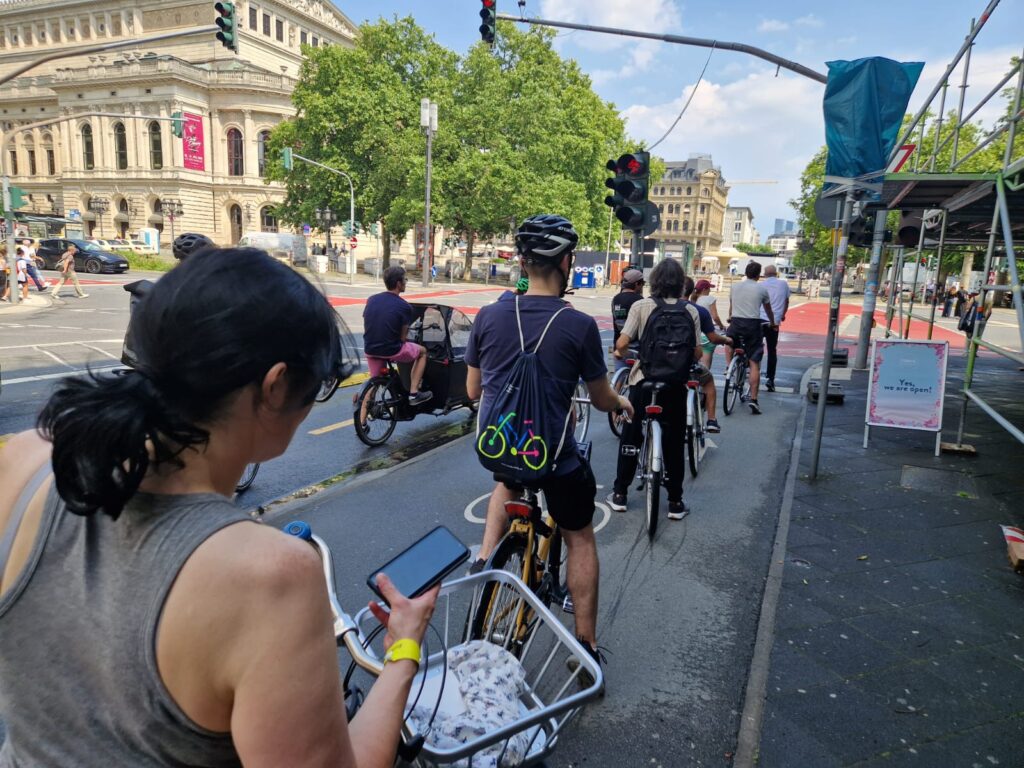
The second Bike Bus Summit brought together people from various regions and cycling backgrounds, fostering a sense of shared challenges and excitement. While there isn’t a single formula for running a Bike Bus, the network formed at the summit allows participants to exchange knowledge and experiences. They have already collaborated on establishing the Bike Bus model in Graz and will continue to support each other to expand the number of Bike Buses.
In the final moments, the focus shifted to developing a joint strategy. Key areas of interest included social media, internal communication, and sponsorship. Although consensus wasn’t reached, everyone agreed on the need for a common platform to communicate and share information. The exact format is still undecided but must be flexible to meet the diverse needs of the initiatives, recognizing that different groups will have varying levels of involvement and interests.