
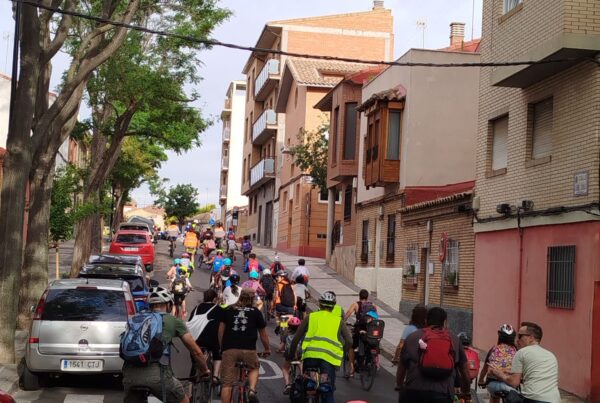
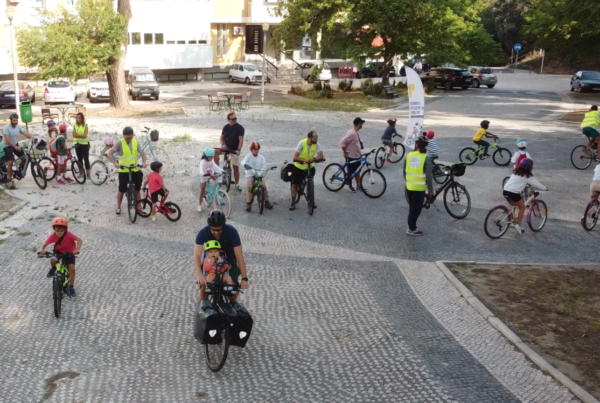
Bike Bus has rapidly evolved from scattered local experiments into a global movement that is transforming how families experience their cities. A PhD dissertation examined this phenomenon across Barcelona, Zaragoza, and Lisbon to understand not only its effects on cycling behavior but also the mechanisms that drive it and the governance models that sustain it.
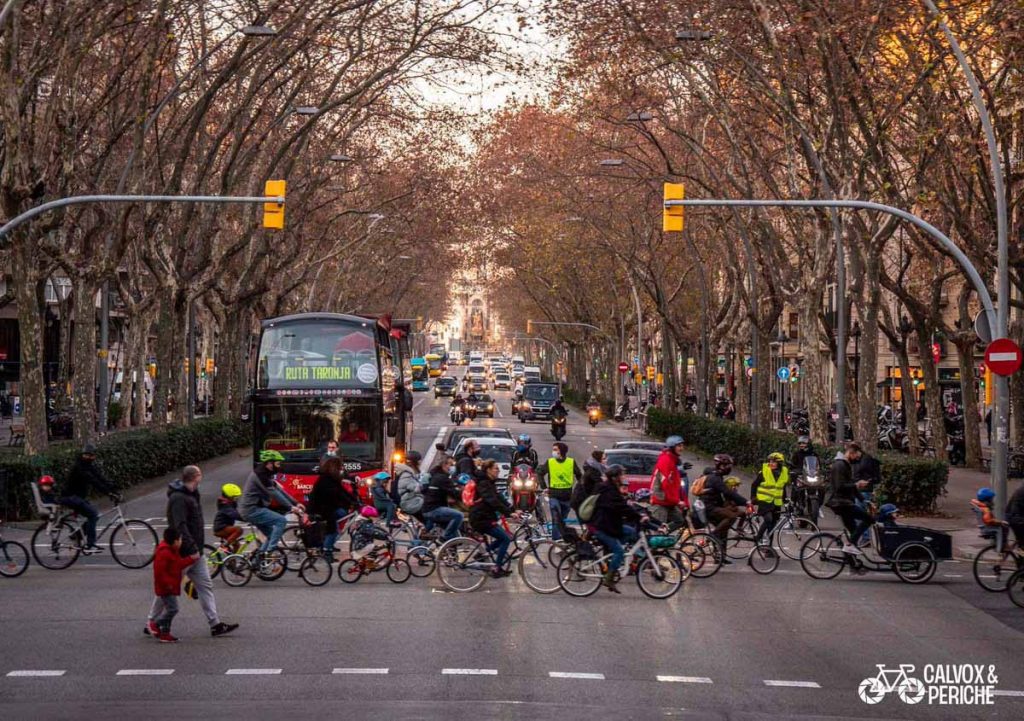
Why Bike Bus Works: The Mechanisms Behind the Change
Bike Bus is effective because it creates the right conditions for families to cycle more often and with greater confidence. The research shows that frequent participants are five times more likely to increase their cycling frequency, and children who join occasionally are three times more likely to pedal on their own.
These effects emerge through three interconnected mechanisms:
- Protection: Bike Bus offers a safe space for children and caregivers to develop skills. Riding in a group reduces exposure to traffic, lowers anxiety, and allows both adults and children to practice cycling in real urban environments.
- Visibility: The initiative displays the necessary equipment and skills and builds community referents. Seeing other families cycling normalizes the practice and shows that it is possible, even joyful, to move through the city by bike.
- Social Cohesion: Bike Bus strengthens cycling-related identities and encourages participation through friendships and community ties. These social bonds often extend beyond the route, inspiring new activities, collaborations, and forms of cycling activism such as the Kidical Mass or the Bike Bus Summit.
Together, these mechanisms help explain why Bike Bus has expanded to 431 routes in 17 countries, moving over 35,000 children per week.
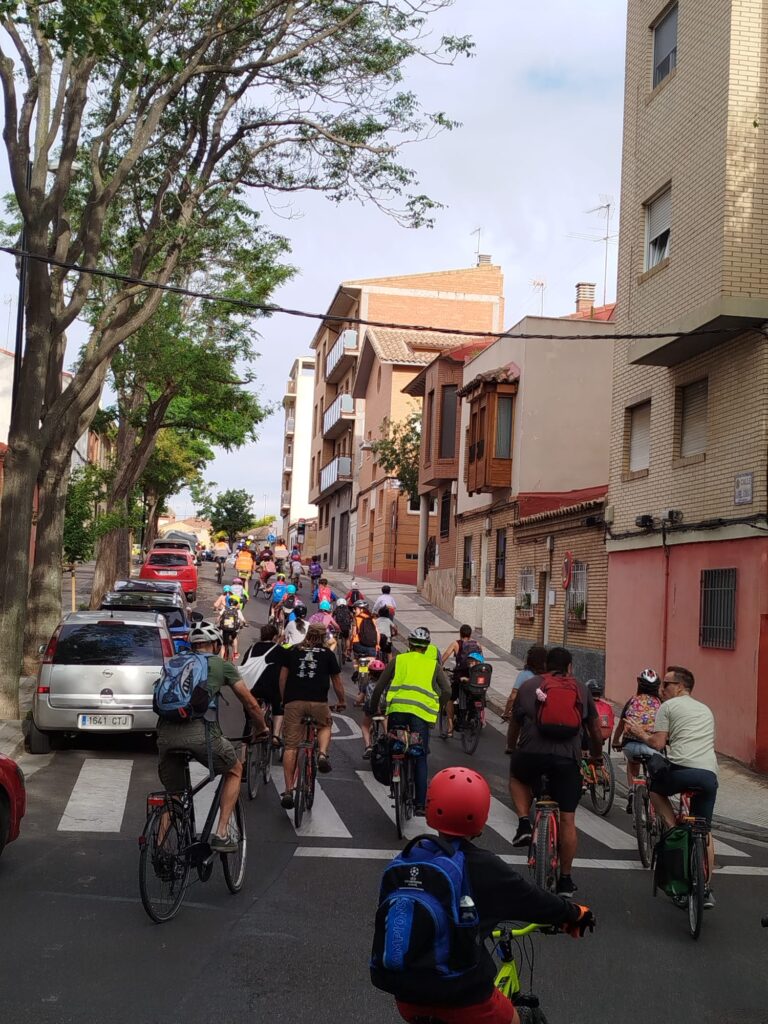
How Governance Shapes Sustainability
Not all Bike Buses operate the same way. Their long‑term sustainability is shaped by how they are organized and how they relate to existing institutions. The research identifies two key governance dimensions:
- Integration into Pre‑Existing Networks: Bike Buses that connect with established networks benefit from access to staff, expertise, and audiences. These relationships can both facilitate and constrain participation in these pre-existing networks. Within those networks, schools and teachers, when present, play a crucial role in expanding reach and legitimacy.
- Negotiation of Institutional Support: Governance involves balancing different forms of organization:
- Professionalization helps sustain and expand the initiative but may lead to a loss of belonging and social agency by families.
- Self‑organization empowers participants but is constrained by time and scope, leading to burnout among activists.
- Hybrid models combine strengths from both approaches, offering flexibility and resilience.
Understanding these dynamics is essential for designing Bike Buses that endure over time and reach diverse communities.
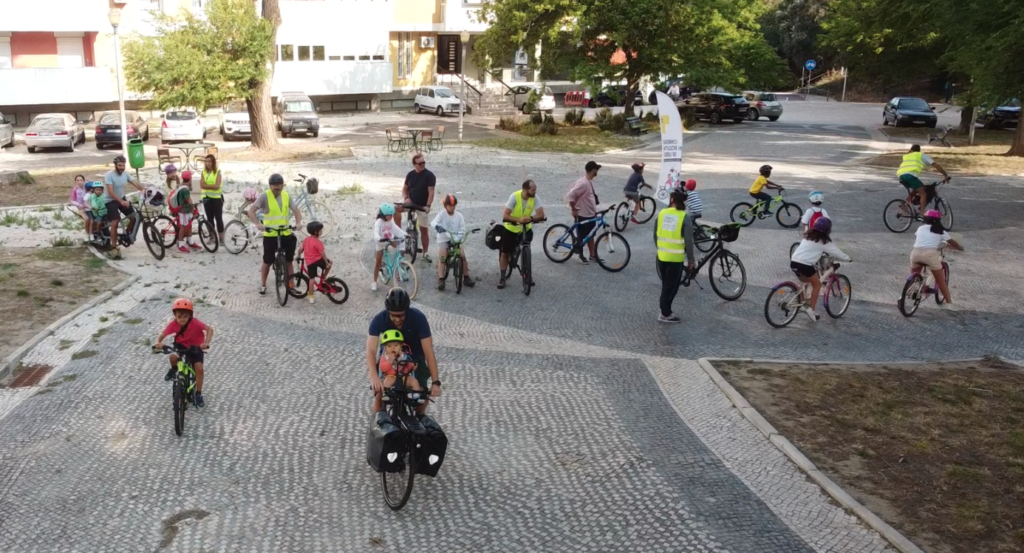
What Comes Next? Policy and Research Directions
- Recognize and fund community‑focused programs
Periodic activities strengthen personal relationships and community cycling behavior. Stable support helps these initiatives grow without losing their grassroots character. - Implement comprehensive cycling training programs
Cities should develop training programs that involve administrations, schools, families, and cycling associations. Bike Bus can be part of these programs as a motivator, helping ensure that all children in the city can develop cycling skills. - Provide spaces for safe development of cycling skills
People learning to cycle—children and adults—need extensive, safe, and green spaces to practice. Cities must ensure these spaces exist and are accessible.
Future research
Further work should examine how different governance models influence Bike Bus’s effects on family cycling. A longitudinal study could reveal how participation in community‑based interventions shapes families’ mobility biographies over time, including the gendered dynamics of cycling uptake at younger ages.
Explore the Full Research
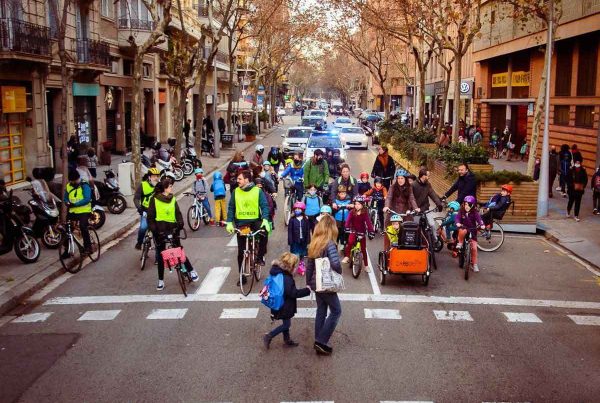
You might want to have a look at a recently finished Master’s Thesis on the Bicibus movement in Austria (in German): https://repositum.tuwien.at/handle/20.500.12708/228945