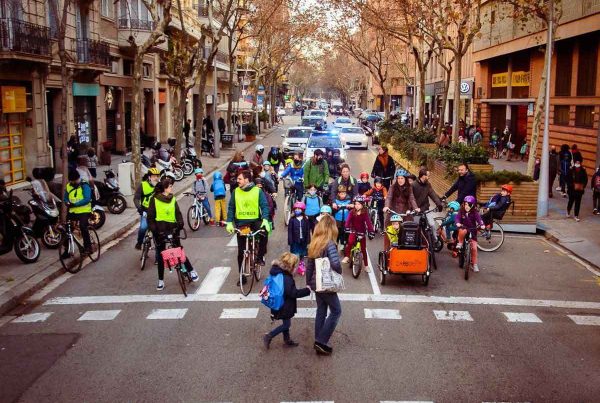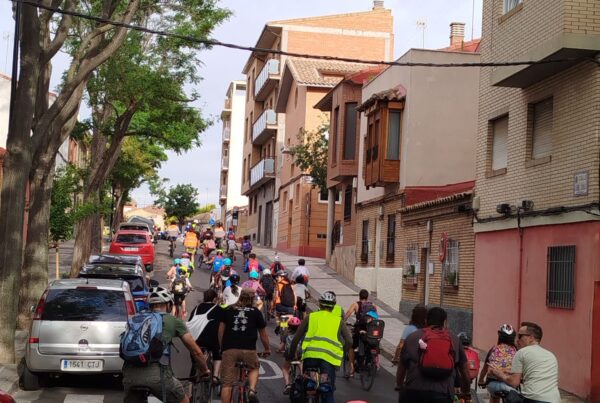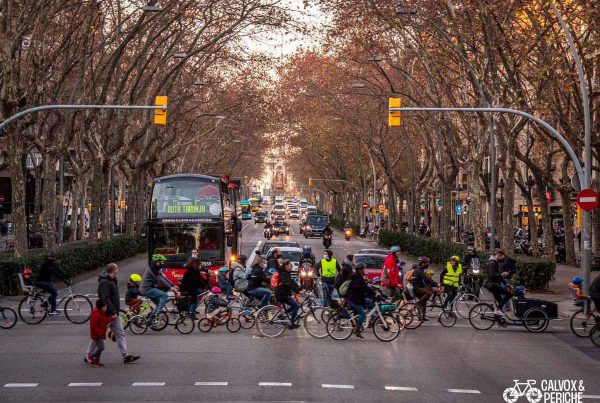
The use of bicycles in cities is essential for sustainable mobility, but it is often underrepresented compared to other modes of transport, such as cars. To improve the understanding of bicycle user habits in Barcelona, we are developing a cycling traffic model based on open data and citizen participation. The project is led by BiciZen and the Bicicleta Club de Catalunya (BACC), with support from the Institute of Environmental Science and Technology (ICTA-UAB) and the Barcelona Supercomputing Center (BSC).
This study aims to estimate the levels of bicycle usage—whether annual, monthly, or daily—across the city’s streets. Additionally, observations on the age and gender of cyclists will be collected by street observers. The goal is to create a more inclusive model that better reflects who uses bicycles and how the available cycling infrastructure is utilized.
Project Objectives:
- Modeling Bicycle Traffic: Create an initial model to estimate the daily number of cyclists per street segment in Barcelona, considering factors such as the presence of quality cycling infrastructure and the distribution by age and gender.
- Citizen Science: Encourage citizen collaboration through the BiciZen platform, providing valuable information to refine the model.
- Road Safety: Improve the safety of cyclists. The model will be used to better understand accident risks based on the number of cyclists and their exposure at specific points in the road network. The traffic model is essential for measuring risk and safety for individuals.
- Promoting Inclusivity: Ensure that cycling is an option for everyone, regardless of gender or age. This will be achieved by integrating data on who is using the current infrastructure and how it can be improved to be more equitable.
Method and Data Used:
The project relies on various data sources, including automatic bicycle counters located along the city’s bike lanes and other citizen science data collected via the BiciZen platform. Advanced data analysis tools, such as Random Forest, will be employed to accurately predict cyclist flows. This model will include existing cycling infrastructure and its different types, from unprotected lanes to exclusive bike lanes.
Implications and Next Steps:
To develop a quality model, the project will need volunteers to collect data at specific points in the city, with data collection occurring at 10-minute intervals. On October 28, a virtual presentation of the project will be held for anyone interested in joining the initiative.
The bicycle traffic model is an important tool for urban planners, as it will provide a better understanding of bicycle use in the city and contribute to future decision-making regarding infrastructure and sustainable mobility policies. During this period, we will share the results of this study and raise awareness through a campaign, aiming to involve as many citizens as possible in this citizen science process.